Essentials
Visa & entry
Most visitors need a visa to enter Uganda, and many nationalities can apply online through the official e-visa service before travelling. If you are also visiting Kenya or Rwanda, ask us about the East Africa Tourist Visa.
Make sure your passport is valid for at least six months beyond your travel dates and carry your yellow fever vaccination certificate, which is checked on arrival.
Entry rules change. Always check the latest official guidance for your nationality before you book flights.
Arrival
Getting to Uganda
Most international visitors fly into Entebbe International Airport (EBB), on the shores of Lake Victoria and about an hour’s drive from Kampala.
Share your flight details with us and we can arrange an airport pickup ↗ straight to your hotel or onward safari.
On the road
Getting around
Most safaris travel by road in a dedicated safari vehicle with your driver-guide. Distances between parks can be long. Entebbe to Bwindi, for example, is a full day’s drive, so itineraries are paced to include rest and scenic stops.
To save time, domestic flights can connect Entebbe with airstrips near several national parks. We’ll help you weigh up driving against flying for your route.
Book early
Gorilla & chimp permits
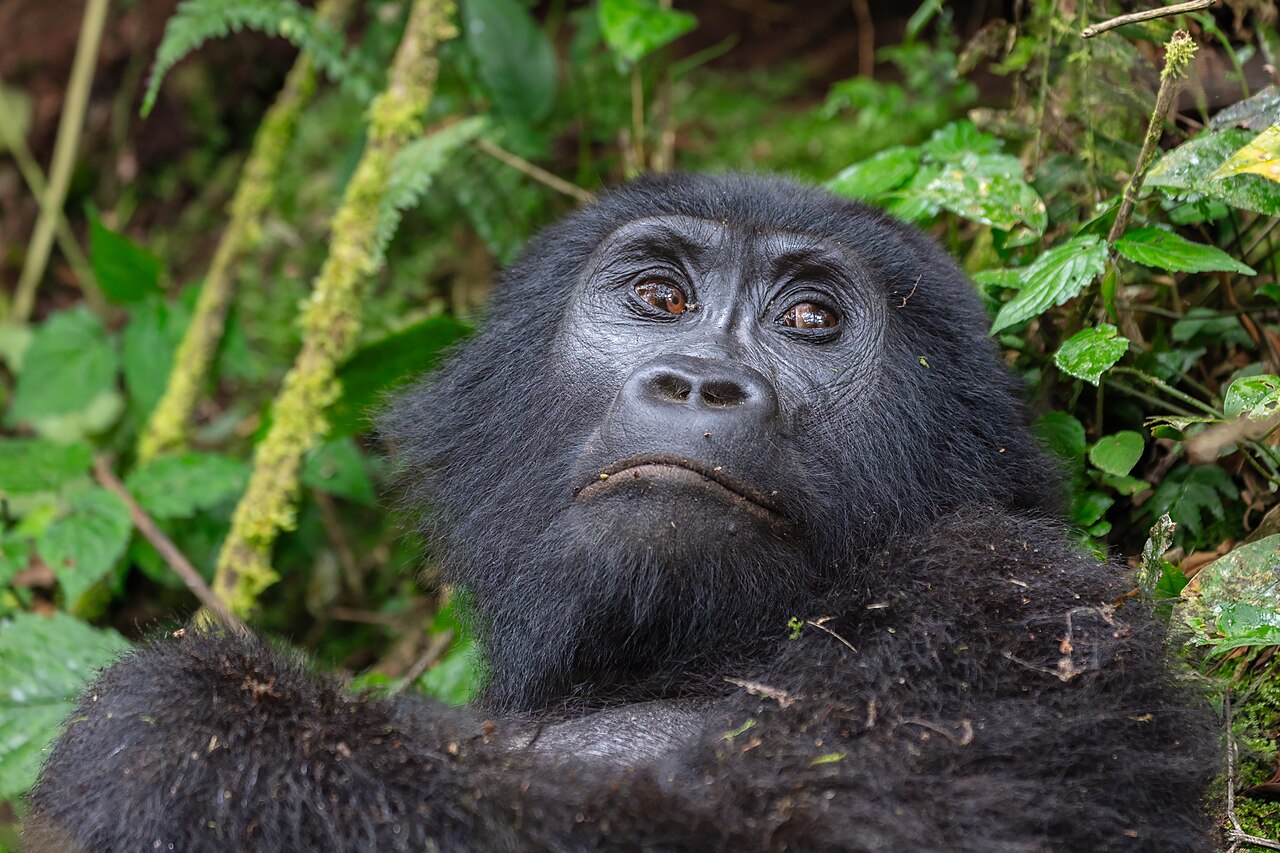
Gorilla trekking and chimpanzee tracking require permits issued by the Uganda Wildlife Authority. Daily numbers are strictly limited to protect the animals, so permits often sell out months ahead in busy seasons.
- Gorilla trekkers must be at least 15 years old.
- Treks can take a few hours or most of the day, depending on where the gorilla family is.
- We secure permits as part of your booking. Ask us about current availability and prices.
Seasons
When to visit
Uganda can be visited year-round. The drier months, roughly June to September and December to February, are popular for trekking because forest trails are easier underfoot.
The wetter months bring lush landscapes, fewer visitors and excellent birdwatching. Tell us your dates and we’ll suggest the best experiences for that time of year.
Be prepared
What to pack
- Lightweight layers and a warm fleece for cool mornings and evenings
- A waterproof jacket, even in the drier months
- Broken-in hiking boots and long trousers for forest treks
- Gardening-style gloves for gripping vegetation on gorilla treks
- Neutral-coloured clothing for game drives
- Sun hat, sunscreen and insect repellent
- Binoculars and a camera with spare batteries
Stay well
Health & safety
A yellow fever vaccination is required for entry. Speak to a travel health clinic well before departure about malaria prevention and any other recommended vaccinations.
We strongly recommend comprehensive travel insurance that covers medical evacuation. On safari, always follow your guide’s instructions around wildlife.
Practicalities
Money & tipping
The local currency is the Ugandan shilling (UGX). US dollars are widely used for tourism services; bring newer, undamaged notes, as older or worn ones are often refused.
Card payments are accepted at many lodges and hotels in towns, but carry some cash for markets, rural areas and tips. Tipping guides, drivers and lodge staff is customary and always appreciated.
Still have questions?
Talk to a local safari expert.
We’ll give you advice tailored to your dates, route and travel style.
Prototype content: travel guidance is general and must be reviewed and confirmed by Kakida Safaris against current official sources before launch.